
Program Perspectives: Viccleah explains the Simama Transition Program
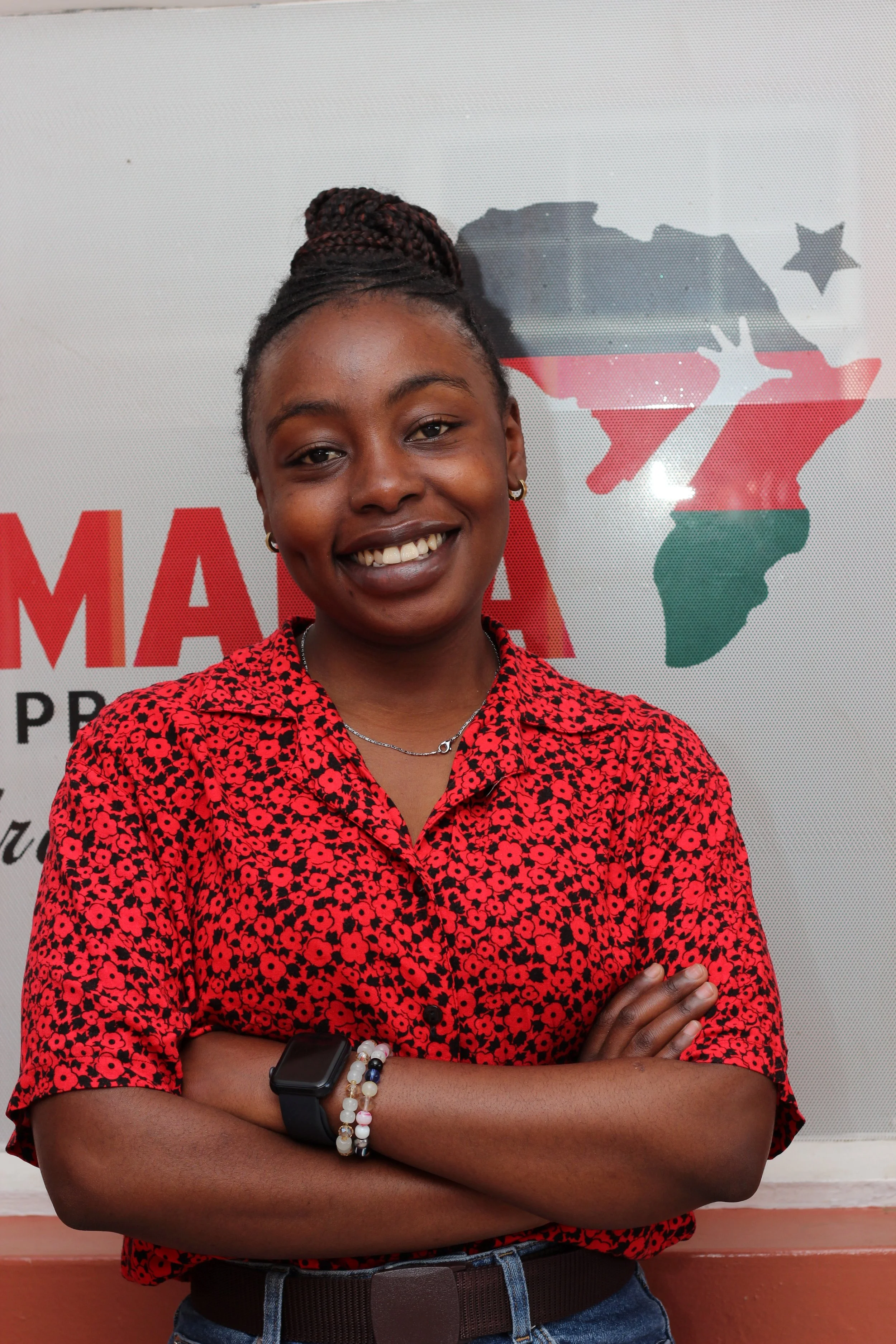
One of my favorite Simama Programs is the Transition Program because it provides more than a bridge after secondary school, it is a journey that equips our students with the confidence to step into adulthood with purpose, resilience, and hope. We provide students with the opportunity to develop skills beyond academic knowledge and focus on nurturing character development by helping students become responsible individuals with strong values that guide their everyday decisions.
Building on that foundation, the program then focuses on career readiness and practical exposure, giving students opportunities to explore future pathways, discover their strengths and gain real-life experiences that prepare them for the realities of life beyond secondary school. The program is guided by five core pillars:
Identity and Self-Worth – “Who am I?”
Life Skills and Independence – “How do I live well?”
Career and Purpose Pathways – “Where am I going?”
Leadership and Community – “How do I impact others?”
Work Experience and Exposure – “How do I apply it?”
The work experience and exposure segment is one of the most impactful phases of the program. During this phase, students are placed in different environments such as NGOs, businesses, schools, hospitals, and hotels, where they are expected to maintain a work journal documenting their experience and reflecting on what they have learned from the new professional experiences. Our students consistently point to this segment as the most transformative experiences and their favorite parts of the program. The program provides tangible, beneficial outcomes including:
Real-world business or working experience
Exposure to professional environments
Practical application of skills learned in class
Increased confidence and independence
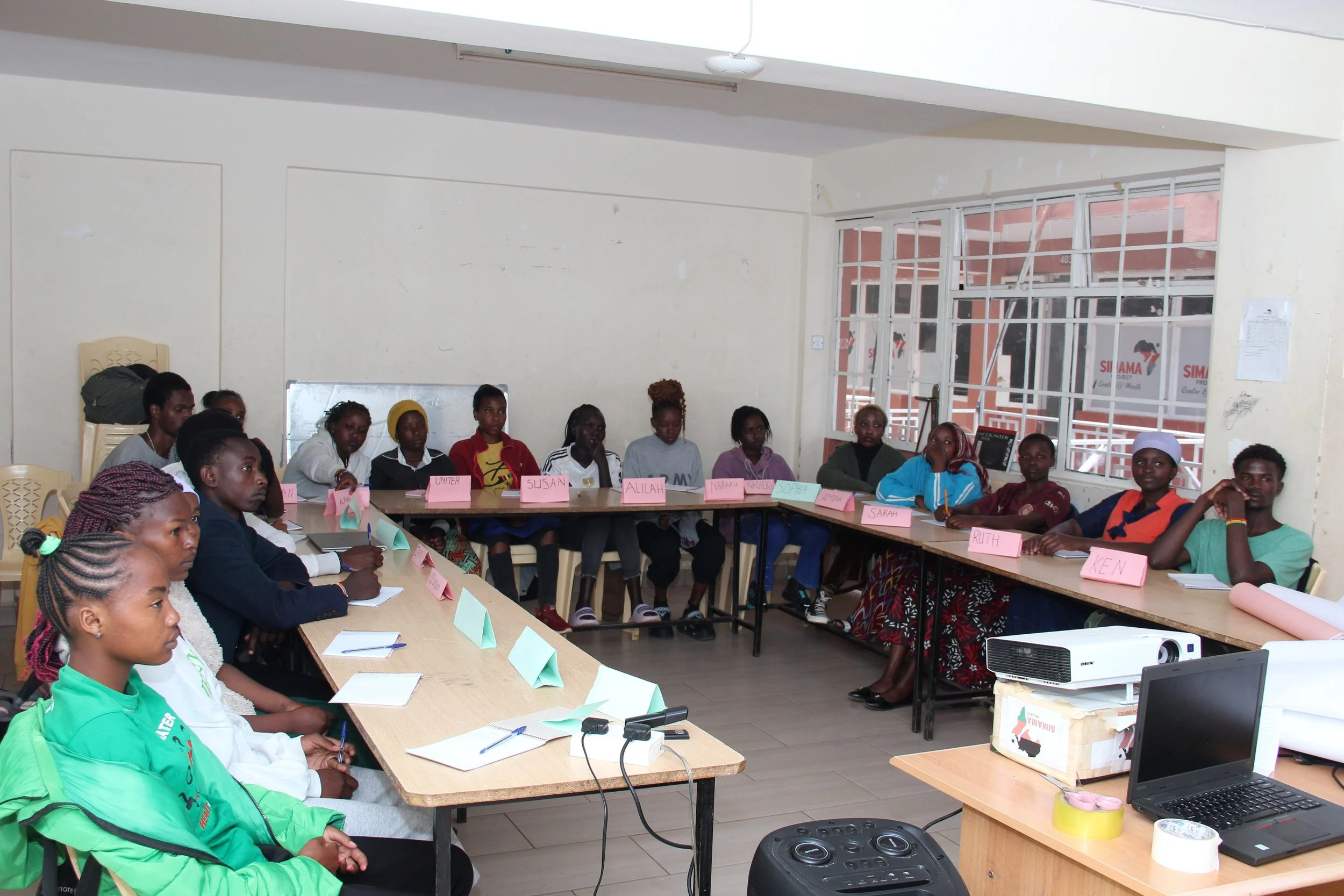
Transition Class 2026 sits at Simama HQ in May for the beginning of the program
Our career and purpose pathways phase is very impactful as it helps students explore their future direction providing opportunities to participate in:
Mock job interviews conducted with panels
Business idea pitching sessions, where students present their entrepreneurial ideas
Career awareness sessions
Strengths and skills assessments
CV and cover letter writing training
Interview preparation and practice
Introduction to entrepreneurship seminars
Exposure to different career fields
These experiences help students build confidence, communication skills and a clearer sense of direction.
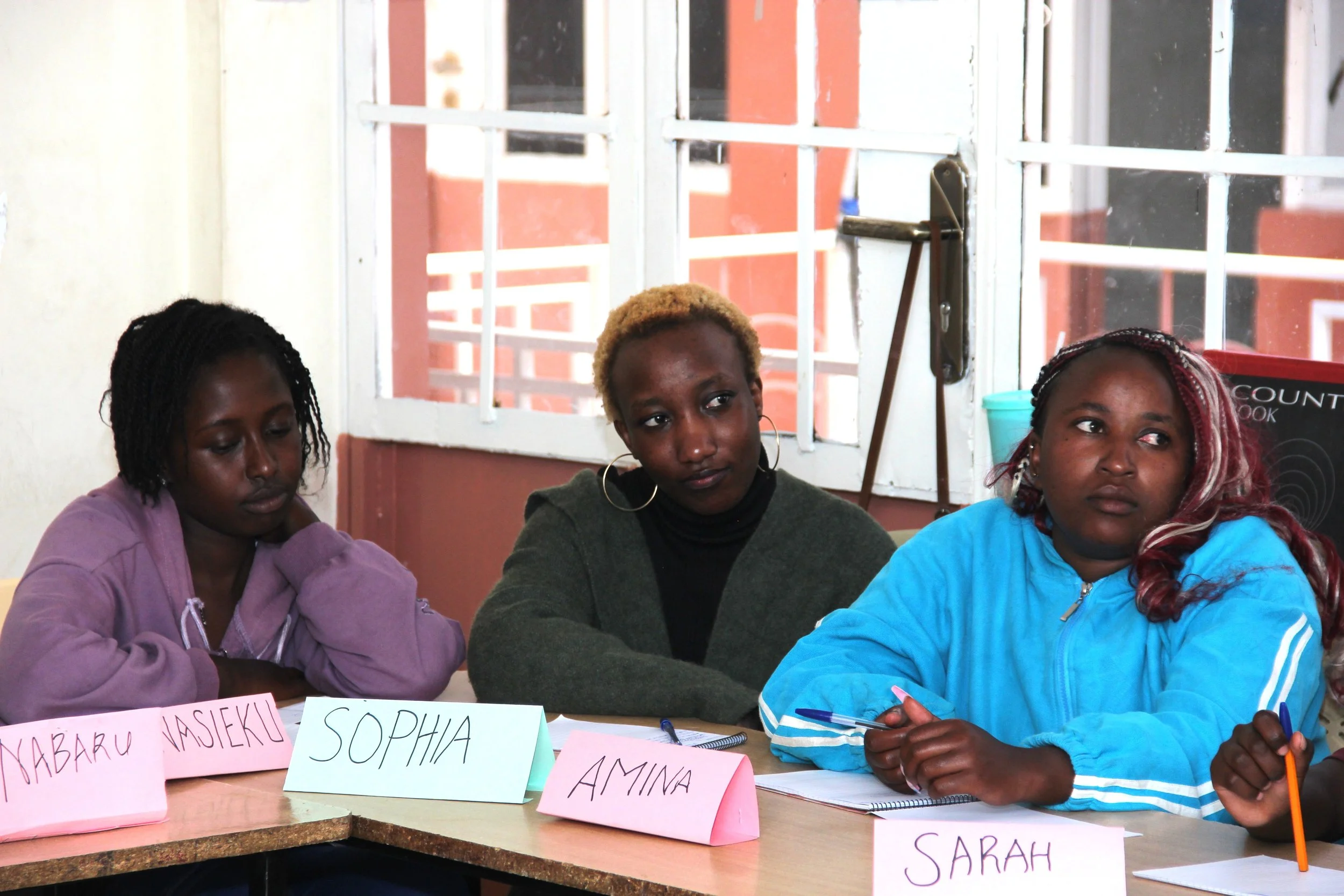
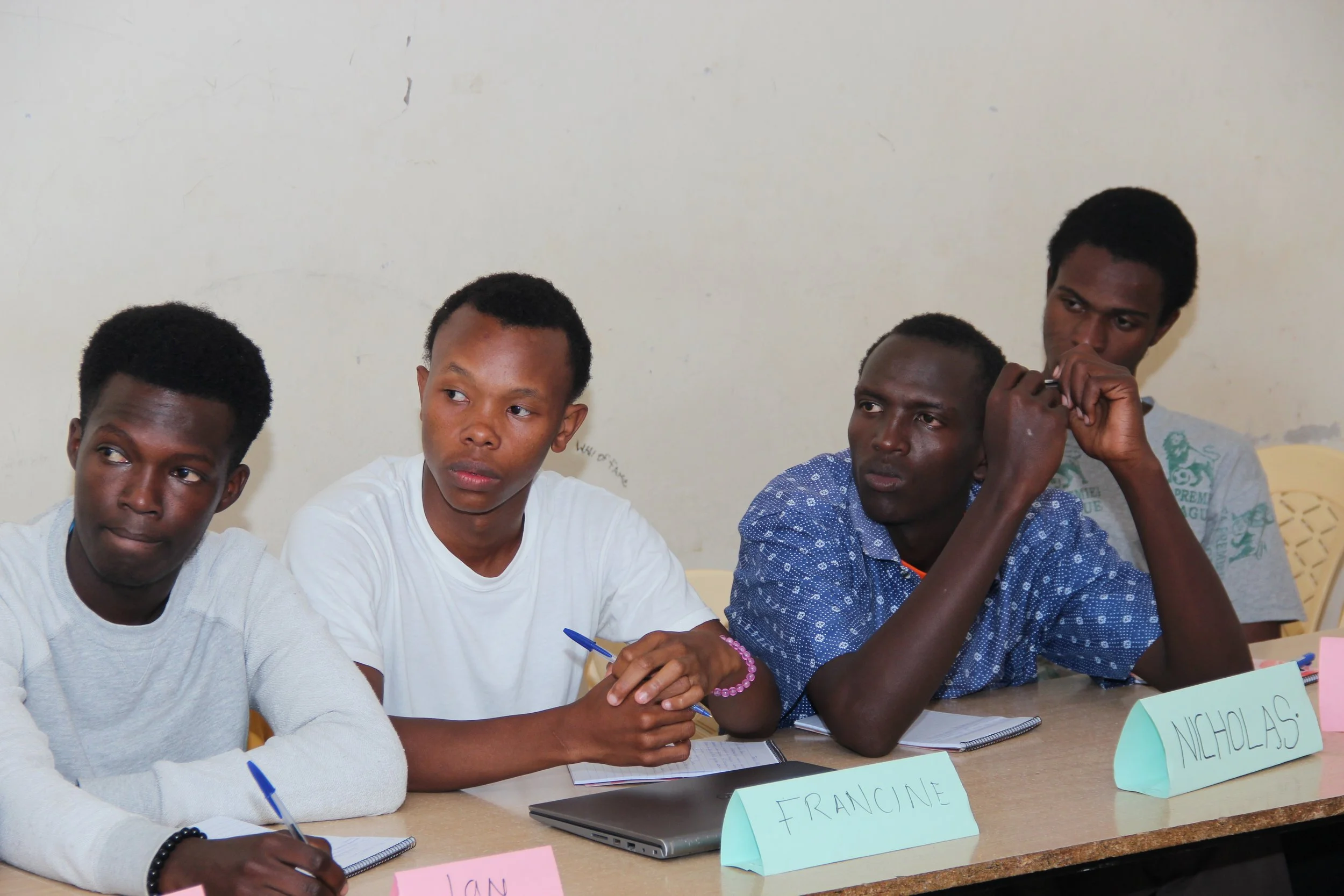
By the end of this year’s Transition Program, it is expected that students will have gained practical life skills such as communication, teamwork, time management, financial awareness and problem-solving. More importantly, they should leave the program with a clearer sense of identity, direction and purpose. These skills will prepare them to function effectively in higher learning institutions, vocational training, workplaces and community life, enabling them to make informed and confident choices about their future pathways.
Ultimately, the Simama Project Transition Program is not just about preparing students for what comes next, it is about shaping who they become along the way.